
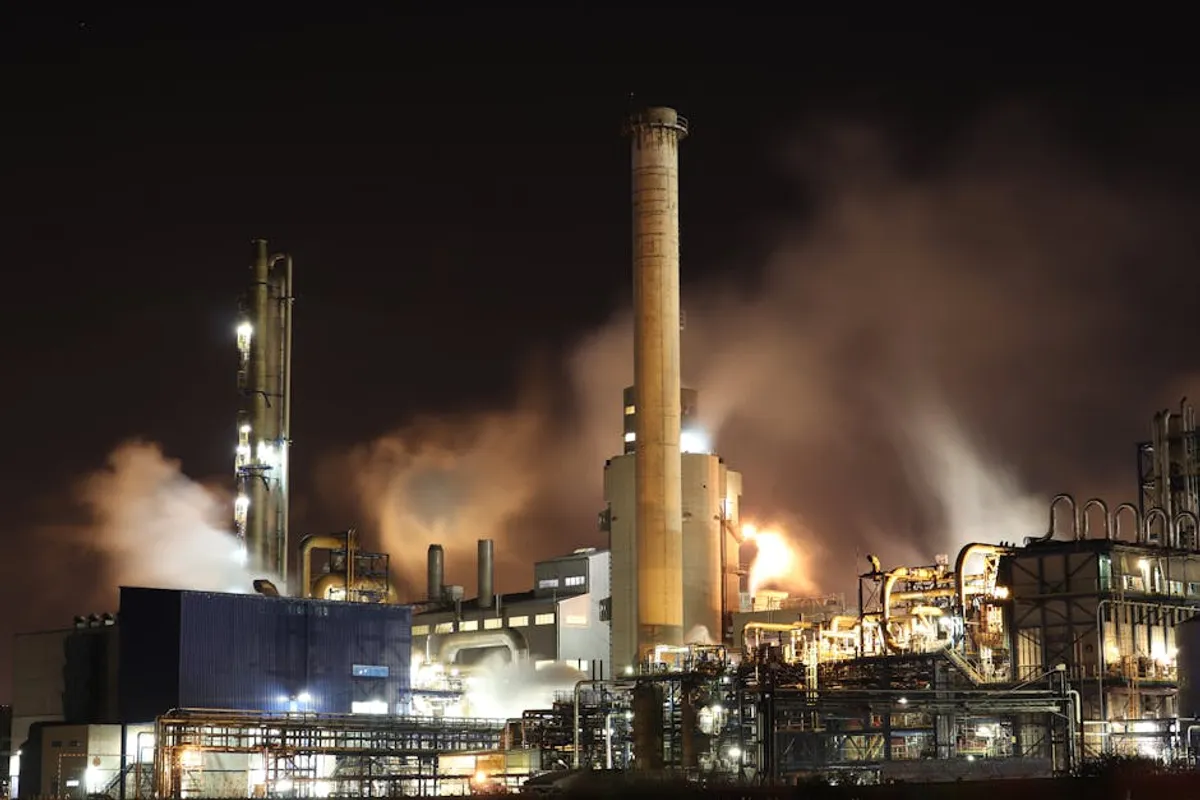
Pollution control encompasses the processes and technologies designed to minimize or eliminate the release of harmful substances and energy into the environment. For businesses, this is not merely a compliance burden but a critical operational strategy impacting financial performance, brand reputation, and long-term sustainability. Understanding the core principles, common examples, and practical methods of pollution control is essential for managing environmental risks, optimizing resource use, and securing market advantage in an increasingly regulated and environmentally conscious global economy.
Meaning of Pollution Control
Pollution control refers to the systematic efforts to prevent, reduce, or mitigate the emission of pollutants into air, water, and land, as well as the management of various forms of energy pollution such as noise or light. Its primary objective is to protect human health and the environment from the adverse effects of industrial, commercial, and domestic activities. Effective pollution control involves a combination of regulatory frameworks, technological interventions, and operational best practices. Businesses implement these measures to comply with legal requirements, reduce operational costs associated with waste, improve public image, and attract environmentally conscious consumers and investors.
Categories of Environmental Pollution and Their Impact
Environmental pollution manifests in several distinct forms, each requiring specific control strategies due to their unique impacts on ecosystems and human well-being. Recognizing these categories is the first step in developing targeted and effective control measures.
Air Pollution Control
Air pollution involves the release of harmful gases, particulate matter, and biological molecules into the atmosphere. Sources include industrial emissions, vehicle exhaust, and agricultural activities. Control measures focus on preventing these substances from entering the air or removing them once emitted.
Common examples:
- Industrial scrubbers: Remove particulate matter and gases like sulfur dioxide from exhaust streams.
- Catalytic converters: Reduce toxic gases (carbon monoxide, nitrogen oxides, hydrocarbons) from vehicle emissions.
- Electrostatic precipitators: Collect fine particles from industrial flues using an induced electrostatic charge.
- Low-NOx burners: Minimize the formation of nitrogen oxides during combustion processes.
Water Pollution Control
Water pollution occurs when contaminants are discharged into water bodies, degrading water quality and harming aquatic life and human health. This includes industrial effluents, agricultural runoff, and untreated sewage. Control strategies aim to treat wastewater before discharge and prevent contaminant entry into water sources.
Key methods:
- Wastewater treatment plants: Utilize physical, chemical, and biological processes to remove pollutants from domestic and industrial wastewater.
- Sedimentation tanks: Allow suspended solids to settle out of water.
- Filtration systems: Remove remaining particulate matter and microorganisms.
- Nutrient removal technologies: Target phosphorus and nitrogen to prevent eutrophication in receiving waters.
- Stormwater management: Implement green infrastructure (e.g., permeable pavements, rain gardens) to reduce pollutant runoff.
Soil and Land Pollution Control
Soil and land pollution results from the accumulation of toxic substances, waste, and debris in the soil, affecting fertility, ecosystem health, and groundwater quality. Sources include industrial waste, improper solid waste disposal, and pesticide use. Control involves remediation of contaminated sites and responsible waste management.
Approaches include:
- Bioremediation: Uses microorganisms to break down contaminants in soil.
- Phytoremediation: Employs plants to absorb, degrade, or stabilize pollutants.
- Landfill management: Engineered facilities for safe disposal of non-recyclable waste, including liners and leachate collection systems.
- Waste segregation and recycling: Reduces the volume of waste sent to landfills and conserves resources.
Noise and Light Pollution Control
While often overlooked, noise and light pollution significantly impact human health and wildlife. Noise pollution, typically from industrial machinery, construction, and transportation, can cause stress and hearing loss. Light pollution, from excessive or misdirected artificial light, disrupts natural light cycles and nocturnal ecosystems.
Control measures:
- Noise barriers and insulation: Reduce sound propagation from sources like highways and industrial sites.
- Quiet machinery and equipment: Design and use of quieter alternatives in manufacturing and construction.
- Shielded and downward-facing lighting: Minimizes light spill and glare.
- Limiting unnecessary nighttime lighting: Reduces energy consumption and ecological disruption.
Methods and Technologies for Effective Control
Effective pollution control relies on a hierarchy of strategies, prioritizing prevention and reduction before treatment and disposal. This approach minimizes costs and environmental impact.
Source Reduction and Prevention
The most effective pollution control strategy is to prevent pollution from occurring in the first place. This involves modifying processes, products, or raw materials to reduce or eliminate the generation of pollutants.
Best for: Long-term cost savings and minimal environmental footprint.
Pro Tip: Proactive investment in pollution control technologies often yields long-term cost savings through reduced fines, improved resource efficiency, and enhanced brand reputation, outweighing initial capital outlays. Integrating environmental impact assessments into product design phases can significantly reduce lifecycle pollution.
Examples:
- Process optimization: Adjusting manufacturing parameters to reduce waste generation.
- Material substitution: Replacing hazardous raw materials with non-toxic or less toxic alternatives.
- Product redesign: Creating products that are more durable, recyclable, or require fewer resources to produce.
- Energy efficiency improvements: Reducing fossil fuel consumption, thereby lowering air emissions.
Treatment and Remediation Strategies
When pollution cannot be entirely prevented, treatment technologies are employed to remove or neutralize contaminants before release. Remediation addresses existing contamination in environmental media.
Key technologies:
- Physical treatment: Sedimentation, filtration, adsorption (e.g., activated carbon for water purification).
- Chemical treatment: Neutralization, precipitation, oxidation (e.g., chlorine disinfection in water).
- Biological treatment: Using microorganisms to break down organic pollutants (e.g., activated sludge process in wastewater).
- Thermal treatment: Incineration for hazardous waste, converting waste into ash and gases.
Waste Management Hierarchy
This principle prioritizes waste management options based on their environmental impact. From most to least preferred, the hierarchy guides decision-making for solid waste.
Order of preference:
- Prevention: Reducing waste generation at the source.
- Reuse: Using products multiple times for their original purpose.
- Recycling: Processing used materials into new products.
- Recovery: Extracting energy or materials from waste (e.g., waste-to-energy).
- Disposal: Landfilling or incineration as a last resort.
Strategic Considerations for Implementation
Implementing effective pollution control measures requires strategic planning that integrates regulatory compliance with business objectives. This includes understanding the specific regulatory landscape, assessing technological feasibility, and evaluating economic implications.
Companies must navigate complex local, national, and international environmental regulations. Staying current with evolving standards and investing in robust monitoring systems are crucial for avoiding penalties and maintaining operational licenses. Furthermore, the selection of pollution control technologies should consider not only their effectiveness but also their energy consumption, maintenance requirements, and potential for secondary waste generation. A comprehensive cost-benefit analysis, factoring in both direct costs and indirect benefits like improved public relations and market access, is essential for informed decision-making.
Implementing Effective Pollution Control
Businesses looking to enhance their pollution control efforts should begin with a thorough environmental audit to identify significant sources of pollution and assess current compliance levels. This audit provides a baseline for setting measurable objectives and targets. Subsequently, develop an environmental management system (EMS), such as ISO 14001, to establish a structured approach for managing environmental impacts. Prioritize investments in source reduction technologies where feasible, as these often offer the highest return on investment through reduced material costs and waste disposal fees. Regularly review and update control measures to adapt to new technologies, regulatory changes, and evolving operational needs, ensuring continuous improvement in environmental performance.
Frequently Asked Questions
What is the primary goal of pollution control?
The primary goal of pollution control is to protect human health and the environment by minimizing or eliminating the release of harmful substances and energy, ensuring compliance with regulations, and promoting sustainable practices.
How do businesses benefit from effective pollution control?
Businesses benefit through reduced operational costs (e.g., lower waste disposal fees, resource efficiency), enhanced brand reputation, improved public and employee health, reduced risk of legal penalties, and increased access to environmentally conscious markets and investors.
What are the main categories of pollution addressed by control measures?
The main categories include air pollution, water pollution, soil and land pollution, and various forms of energy pollution such as noise and light pollution, each requiring specific control strategies.
What is the most preferred method in the waste management hierarchy?
The most preferred method is prevention, which focuses on reducing waste generation at its source through process modifications, material substitution, and product redesign, thereby minimizing environmental impact and resource consumption.